


Table of contents
Editor's note:
A supplier sends an invoice with updated bank details and your finance team processes the payment, only to discover later that the money went to a Scammer. The invoice looked genuine, and the request came from what appeared to be a familiar contact, unfortunately, someone impersonated the supplier.
Payment fraud doesn't always require breaking into complex payment infrastructure; more often, it succeeds by tricking an authorised employee into approving the wrong transaction. As commerce moves increasingly online, fraudsters continue to exploit routine business processes, employee access, and the trust established between partners.
For businesses handling multiple transactions daily, knowing how these schemes work and where to apply security checks can make all the difference.
What is payment fraud?
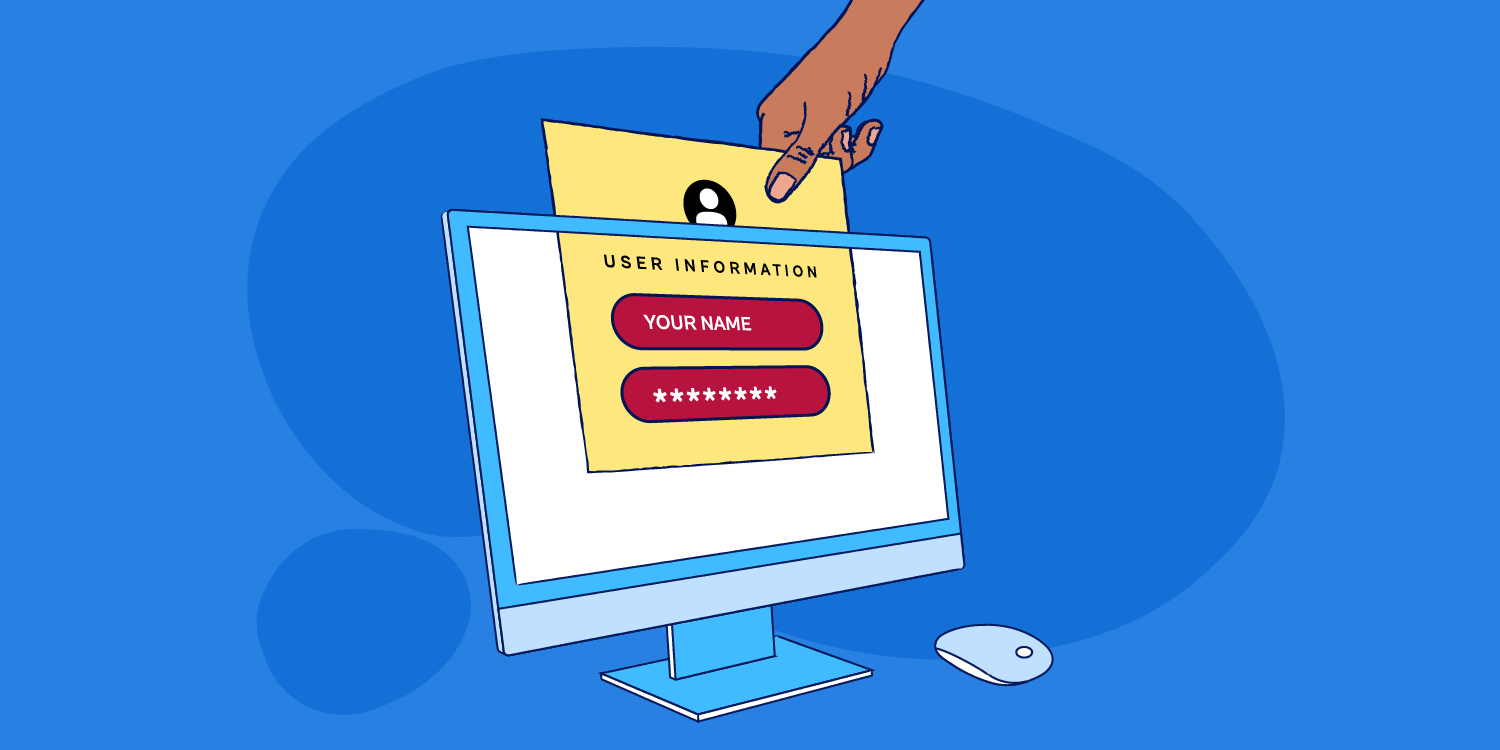
Payment fraud occurs when bad actors use deception, stolen information, or unauthorised access to manipulate financial transactions for monetary gain.
For businesses, this takes many forms: altered invoices, manipulated beneficiary details, forged payment receipts, and unauthorised payouts.
The financial impact of fraud is significant. According to the Nigeria Inter-Bank Settlement System (NIBSS), Nigeria lost ₦25.85 billion to digital payment fraud in 2025. Although this represented a 51% decline from ₦52.26 billion in 2024, it shows that payment fraud remains a concern.
Beyond direct financial losses, payment fraud disrupts operations, strains cash flow, and damages hard-earned business relationships.
Common payment fraud schemes businesses should know
Fraudsters often exploit everyday business workflows, especially when payment requests appear routine or urgent.
Here are some common schemes businesses should recognise:
- Invoice fraud: Criminals impersonate suppliers or alter legitimate invoices to redirect payments to fraudulent accounts. Watch for unexpected changes to beneficiary accounts or payment instructions.
- Business Email Compromise (BEC): Fraudsters gain access to business emails or impersonate executives to request unauthorised transfers. Be cautious of unusual payment requests, particularly those demanding immediate action or secrecy.
- Fake payment confirmations: Fraudsters present forged transaction receipts to obtain goods or services without making payments. Always confirm that payment has been received through your bank or payment dashboard before fulfilling an order.
- Phishing and account takeover: Criminals use deceptive emails, messages or websites to steal login credentials and access payment accounts. Unrecognised login attempts, unexpected authentication prompts and unfamiliar account activity deserve immediate attention.
- Chargeback fraud: Dishonest customers may dispute legitimate payments after receiving goods or services. Maintaining accurate transaction and delivery records can help businesses respond to fraudulent disputes.
While these schemes use different tactics, they share a common vulnerability: they succeed when routine checks are skipped or payment instructions are accepted without independent verification.
How to protect your business from payment fraud
Reducing payment fraud requires more than securing a payment account, it starts with making security checks part of everyday business operations. There is also a need to review how payments are requested, approved and tracked.
Here are five practical measures to protect your business:
- Verify changes to payment details
Always confirm changes to supplier or beneficiary bank details through an existing, trusted communication channel. Avoid relying solely on the email or phone number provided in the change request, even when the message appears to come from a familiar contact. - Separate payment initiation from approval
Ensure that the person creating a payment is not the same person authorising it.
Approvers should review beneficiary information, payment amounts and supporting documents before authorising transactions. An approval is only useful when the details have been properly checked. - Restrict and regularly review account access
Give employees access based on their responsibilities and enable Multi-Factor Authentication (MFA) wherever available.
Review account permissions regularly, particularly when employees change roles or leave the business. Remove access that is no longer needed and avoid sharing login credentials. - Monitor and reconcile transactions
Regularly compare transaction records with bank statements, invoices and settlement reports. Look out for duplicate transfers, unfamiliar beneficiaries, unexplained discrepancies and unusual payment activity.
Early detection can improve the chances of containing an incident and limiting further losses. - Build fraud awareness across your team
Security is not solely an IT responsibility. Teams in finance, procurement, operations, and customer support should be trained to spot suspicious payment requests and know exactly how to report them. Foster a culture where employees feel encouraged to pause and question unusual instructions, even when they appear to come from senior leadership.
How Kora's security controls help reduce payment fraud risks
Strong fraud prevention combines strict internal verification with purpose-built security controls. Kora provides a suite of tools designed to safeguard your funds, restrict access, and prevent unauthorized transactions:
Approver-Initiator for payouts
Kora's Approver-Initiator feature allows businesses to separate payout initiation from approval.
When enabled, one authorised team member creates a payout request, while another reviews and approves it before processing. This creates an opportunity to identify incorrect payment details, unfamiliar beneficiaries or suspicious transactions. Businesses should ensure that approvers verify payment details rather than simply approving requests.
Account security and access controls
Kora provides Multi-Factor Authentication (MFA), Role-Based Access Control (RBAC) and IP whitelisting for payouts. MFA adds a security check to sensitive account actions, RBAC limits employee access based on assigned permissions, and IP whitelisting allows businesses to restrict payout requests to approved IP addresses.
Together, these controls help reduce unauthorised access and transactions, while regular access reviews and careful management of account permissions remain important.
Learn more in Kora's account security guide.
Settlement account verification
Kora also applies additional verification before changes can be made to a business's settlement account details, helping reduce the risk of funds being redirected through unauthorised changes.
These controls work best when paired with rigorous internal oversight, routine access audits, and swift reporting of anomalies.
What to do if you suspect payment fraud
If you notice suspicious activity or an unauthorised transaction, acting quickly can help limit further losses.
Do not wait until a financial loss has been confirmed before reporting suspicious activity.
- Report the incident immediately: If it involves your Kora account or transactions, contact fraud@korapay.com immediately.
- Alert your bank: If you've transferred money to a suspected fraudulent account, contact your bank promptly to report the transaction and request assistance.
- Secure compromised accounts: Change compromised passwords, review account permissions and revoke suspicious access.
- Preserve evidence: Keep receipts, transaction references, emails and other relevant correspondence to support investigations.
For payment disputes, you can also contact dispute@korapay.com
Final thoughts
Payment fraud targets businesses of all sizes. Attackers routinely capitalize on busy schedules, familiar vendor relationships, and lapses in verification.
While controls like dual approvals, IP whitelisting, and multi-factor authentication establish strong guardrails, human vigilance remains the primary line of defense. Build sensible checks into your daily payment workflows: verify unusual requests out-of-band, limit administrative access, and empower your team to ask questions.
Before authorising any payment, verify the recipient, amount, and instructions. Taking two minutes to double-check a transaction can save your business from a costly mistake.
At Kora, we're committed to helping businesses manage payments securely, with tools that support safer transactions and greater control.