




Table of contents
Editor's note:
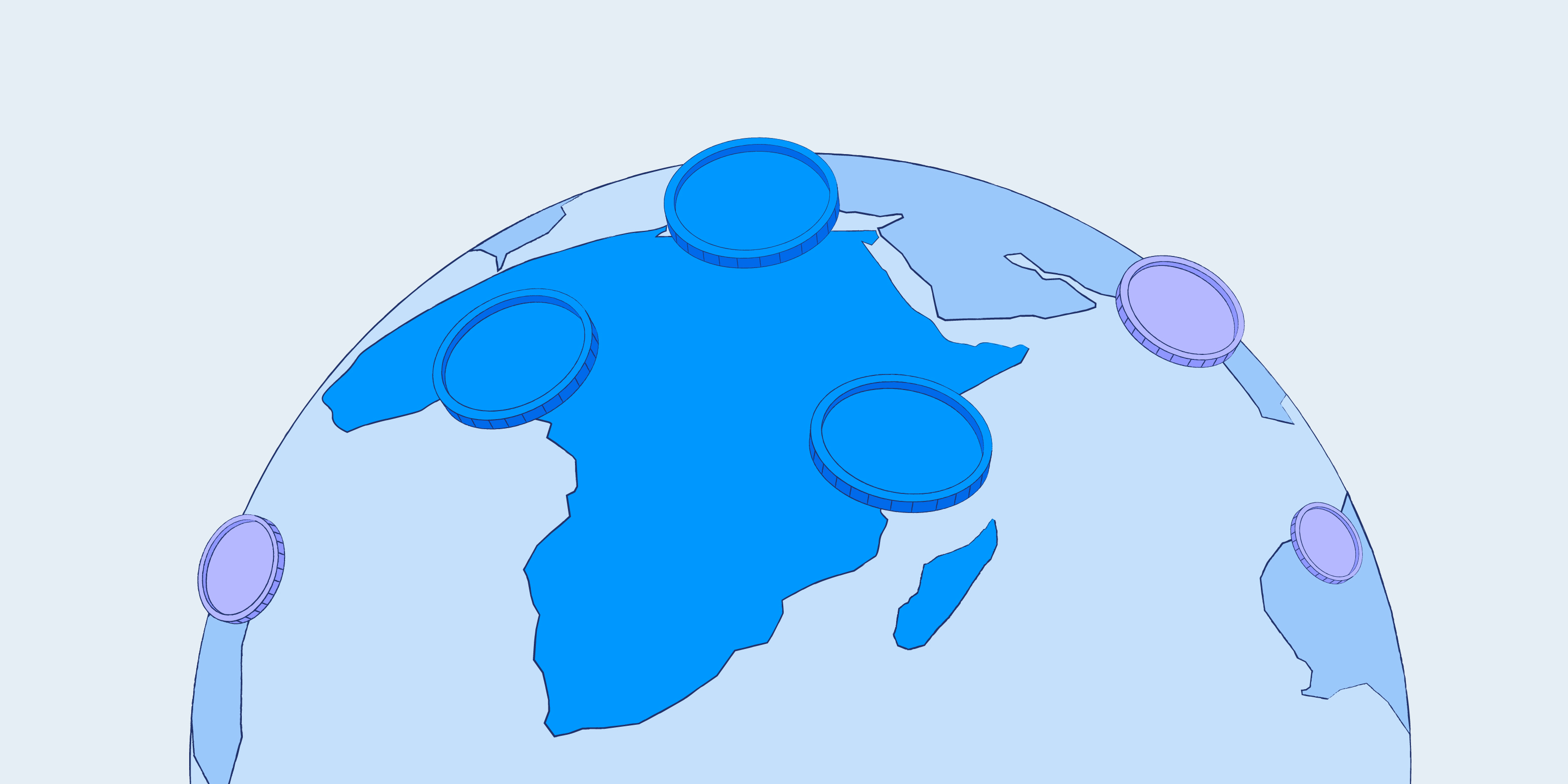
Across Africa today, business is no longer confined by geography. A fashion brand in Lagos can sell to customers in London. A software developer in Nairobi can work with clients in the United States. A small business in Accra can reach a global audience through social media. This shift has opened new opportunities, but it has also introduced a new challenge: how to receive payments from customers outside Africa in a simple, reliable way.
For many businesses, this is where growth either accelerates or slows down. Understanding how international payments work and how to use the right tools is now essential for any African business that wants to compete globally.
Understanding How International Payments Work
International payments involve transferring money across borders, often between different currencies and financial systems. Unlike local transactions, these payments require intermediaries such as banks, card networks, and payment processors. A key tool in this process is a payment gateway. This is the technology that securely collects customers' payment details and processes the transaction. According to Stripe, payment gateways enable businesses to accept online payments from customers worldwide by connecting them to global financial networks. Without these systems, cross-border payments would involve long delays, high costs, and significant risk.
The Growth of Fintech in Africa
In recent years, Africa has seen rapid growth in financial technology. This has made it easier for businesses to accept international payments without relying entirely on foreign banks.
Companies like Flutterwave and Paystack have built platforms specifically designed for African businesses. These platforms allow businesses to accept payments from international cards such as Visa and Mastercard, while also supporting local payment methods.
Flutterwave, for example, allows businesses to receive payments from over 150 countries through a single integration. Paystack also enables international transactions once a business account has been verified . These solutions have reduced the barriers that once made it difficult for African businesses to operate globally.
Beyond the established players, a new generation of platforms is emerging with a focus on simplicity and flexibility. One example is Kora.
Kora is designed to help African businesses accept payments locally and internationally through a single, unified system. It allows businesses to collect payments via cards, bank transfers, and other digital channels while providing an easy integration experience for startups and growing companies.
What makes platforms like Kora important is their focus on reducing complexity. Instead of using multiple tools for different markets, businesses can manage payments in one place. This is especially valuable for startups and digital businesses that want to scale quickly without dealing with multiple financial systems. As more platforms like Kora emerge, African businesses are gaining more options and better tools to compete globally.
Using Global Payment Platforms
While African fintech companies provide strong local solutions, many businesses also rely on global platforms to expand their reach. Platforms like Payoneer and PayPal are widely used for cross-border payments.
Payoneer allows businesses to receive payments through virtual foreign accounts in currencies such as USD, GBP, and EUR. This is particularly useful for freelancers, consultants, and exporters. According to Payoneer, the platform supports transactions in over 150 currencies. PayPal, on the other hand, is one of the most recognized payment systems globally. Even though its features vary across African countries, many international clients still prefer to use it because of its global trust and ease of use.
Combining local and global platforms often gives businesses better flexibility and access to more customers.
The Role of Multi-Currency Payments
Currency differences are one of the biggest obstacles in international trade. A customer in Europe wants to pay in euros, while a business in Nigeria operates in naira.
Modern payment systems solve this by allowing businesses to accept payments in foreign currencies while automatically converting them into local currency. This reduces friction and improves the customer experience. According to the World Bank, improving cross-border payment systems and reducing currency barriers is critical for increasing global trade participation, especially in developing regions. For African businesses, this means that choosing platforms with multi-currency support is essential for scaling internationally.
Reducing Costs and Transaction Fees
One issue many African businesses face is the cost of international payments. Fees can come from:
● Payment processors
● Currency conversion
● Intermediary banks
These costs can reduce profit margins, especially for small businesses.
To manage this, businesses should:
● Compare transaction fees across platforms.
● Use domiciliary (foreign currency) accounts when necessary.
● Avoid unnecessary currency conversions.
According to the World Bank, remittance and cross-border payment costs remain high in many developing regions, making efficiency a key concern for businesses. Choosing the right payment system can significantly reduce these costs over time.
Compliance, Trust, and Verification
To accept international payments, businesses must meet certain regulatory requirements. This usually
includes:
● Business registration
● Identity verification (KYC)
● Compliance with financial regulations
These steps are necessary to prevent fraud and ensure secure transactions. Payment platforms often review businesses before allowing them to receive international payments. Without proper verification, accounts may be restricted or limited. For African businesses, building trust through compliance is not optional, it is a requirement for global participation.
Infrastructure and Digital Readiness
Another factor that affects international payments is infrastructure. Reliable internet access, digital literacy, and access to banking services all play a role. According to the United Nations Economic Commission for Africa, digital infrastructure is a key driver of economic transformation and cross-border trade in Africa. As digital infrastructure improves across the continent, more businesses will be able to participate in the global economy.
The Future of Cross-Border Payments in Africa
Africa is already taking steps to improve its payment systems at a continental level. One major initiative is the Pan-African Payment and Settlement System (PAPSS), developed to simplify cross-border payments within Africa.
According to the African Export-Import Bank, PAPSS aims to reduce reliance on foreign currencies and make transactions faster, cheaper, and more efficient across African countries. This development is important because it shows that Africa is not only adapting to global systems but also building its own solutions.
Conclusion
The ability to accept international payments is no longer a luxury for African businesses. It is a necessity. With the rise of fintech platforms, improved digital infrastructure, and growing global demand, African businesses now have the tools to operate beyond their local markets.
The path is clear: Use the right payment platforms, support multiple currencies, reduce costs where possible, and remain compliant with global standards. When these elements are in place, an African business is no longer limited by borders. It becomes part of a global economy where opportunities are larger, and growth is faster.




.png)


%201.png)
%201.png)

%201.svg)


%201.png)
%201%20(1).png)